






Blog
How to Choose Tires for Agricultural Machinery: Tractors, Combines, Trailers
Choosing the right tires for agricultural machinery is not just about comfort. The correct tires directly affect traction, fuel consumption, soil compaction, and the lifespan of your equipment. A wrong choice can lead to unnecessary downtime, higher operating costs, and damage to the soil.
In this article, we explain how to choose tires for tractors, combines, and agricultural trailers, and which parameters really matter.
Main Types of Agricultural Tires
Tires for Tractors
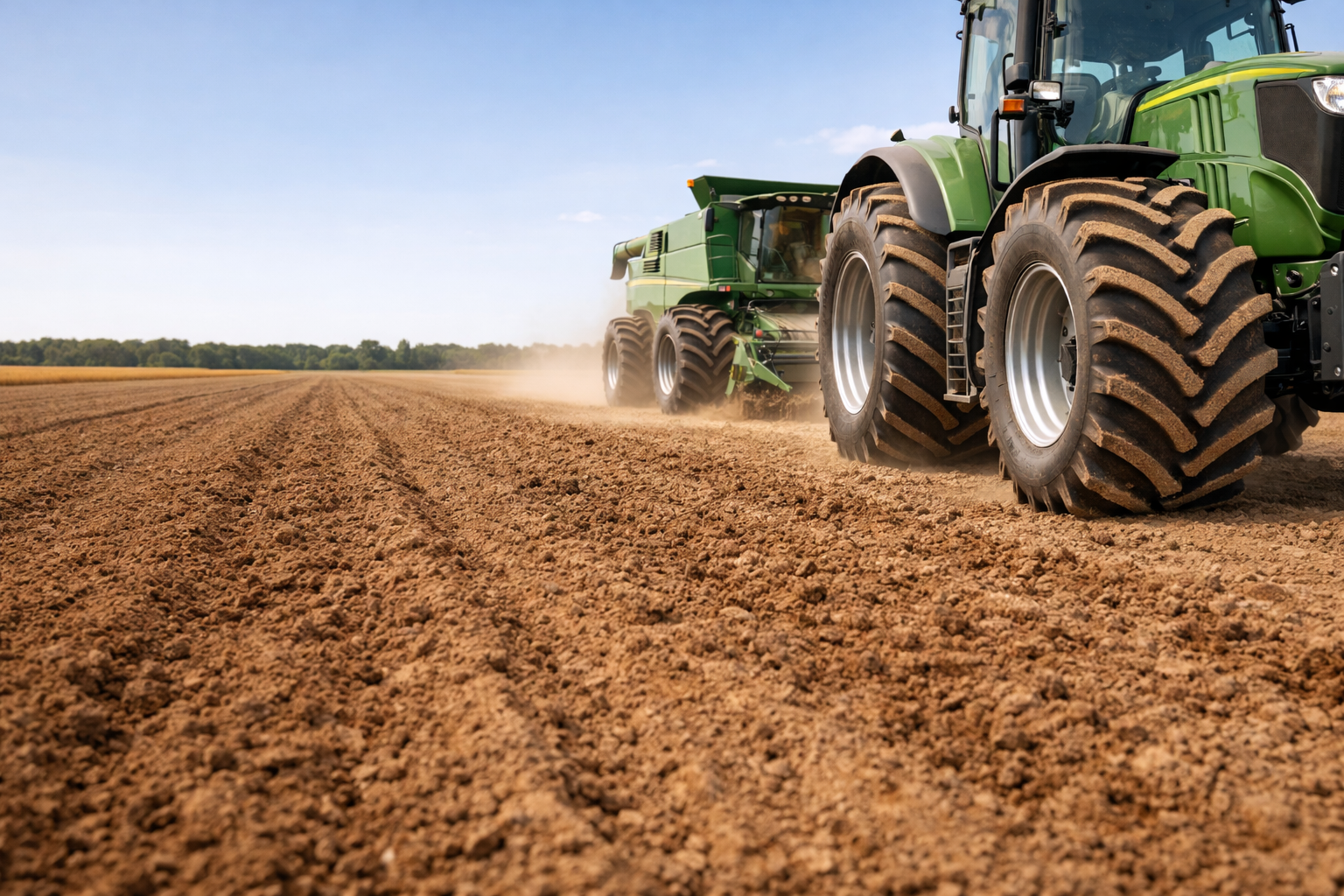
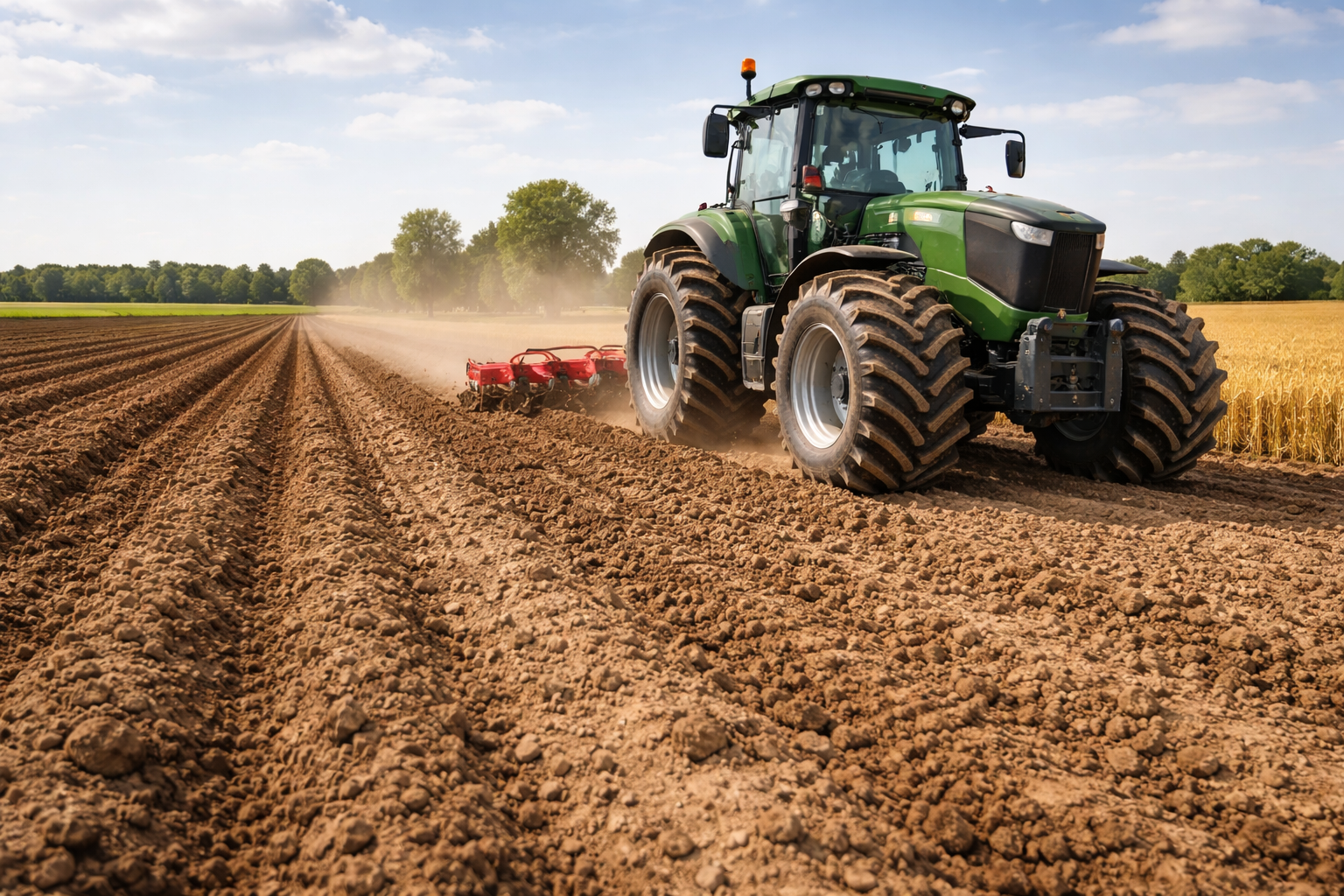
Tractor tires must perform well in different conditions: fields, dirt roads, asphalt, mud, and even snow. That is why tread pattern and tire construction are critical.
The most common tread types are:
R1 – classic agricultural tread for field work
R1W – deeper tread for wet and soft soils
R2 – for extremely muddy conditions
R4 – universal tread for mixed field and road use
📌 Tip: For intensive field work, radial tires are usually preferred because they reduce soil compaction and provide better traction.
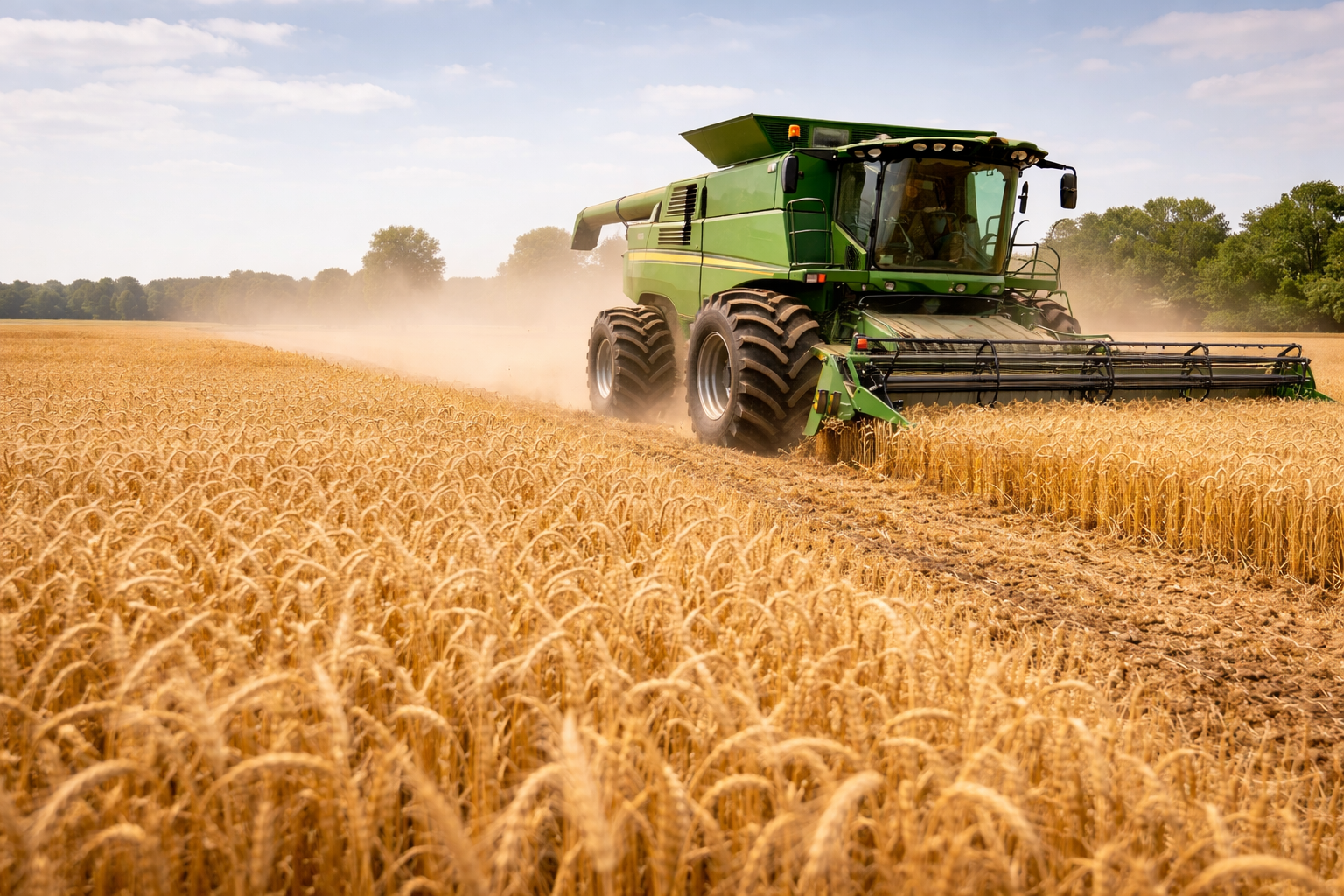
Tires for Combine Harvesters
Trailer tires are often underestimated, even though they:
carry heavy loads
operate at low pressure
strongly affect soil condition
Typical trailer tire options:
flotation tires
reinforced carcass designs
wide profiles for better load distribution
📌 Important: If the trailer frequently travels on public roads, always consider speed and load indexes.
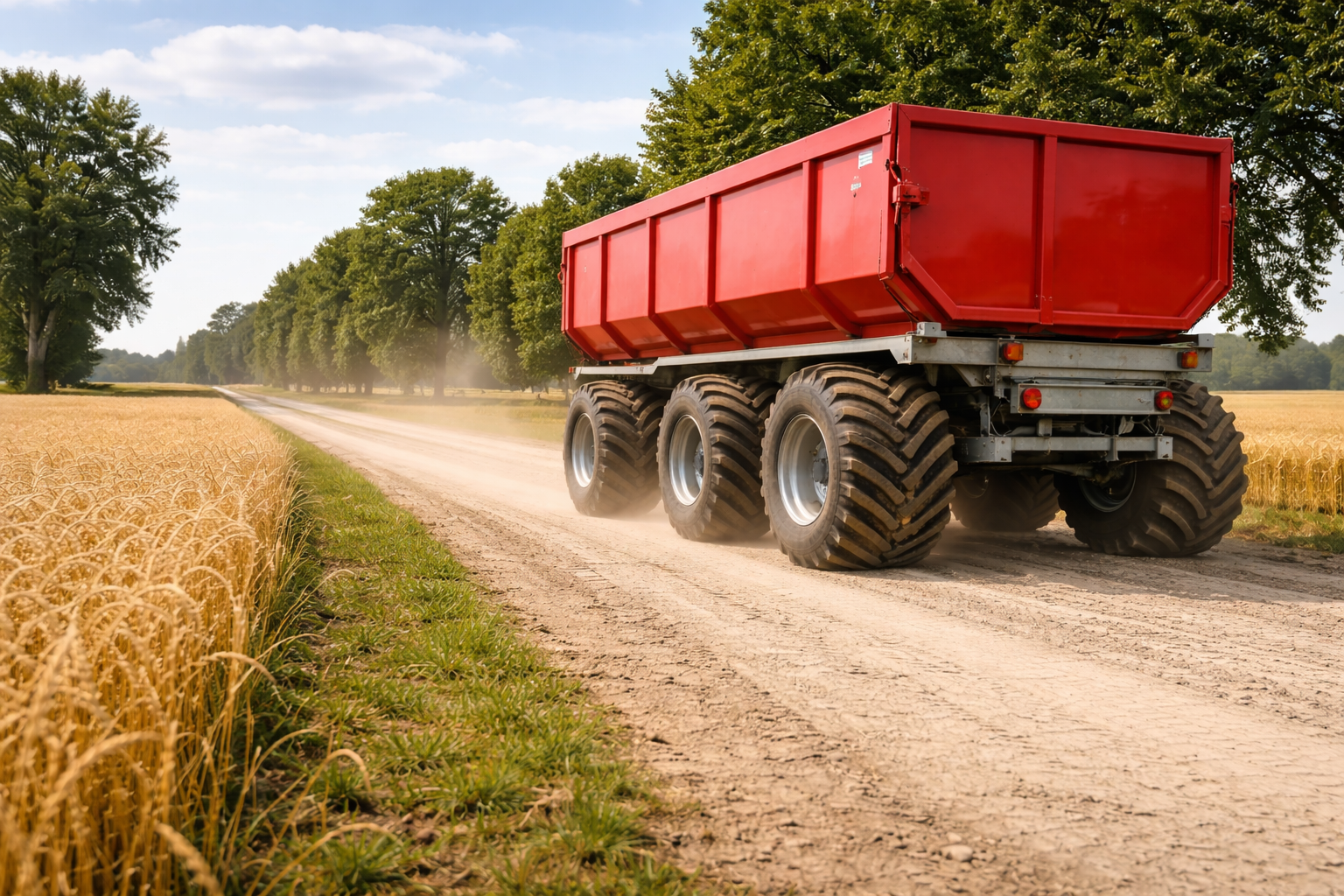
Tires for Agricultural Trailers
Trailer tires are often underestimated, even though they:
carry heavy loads
operate at low pressure
strongly affect soil condition
Typical trailer tire options:
flotation tires
reinforced carcass designs
wide profiles for better load distribution
📌 Important: If the trailer frequently travels on public roads, always consider speed and load indexes.
Radial or Bias Tires for Agriculture?
Radial tires
better traction
lower soil compaction
higher comfort
longer service life
Bias (diagonal) tires
lower price
stronger sidewalls
suitable for harsh conditions and older machinery
📌 For modern tractors and combines, radial tires are usually the best choice.
Tire Pressure Matters
Incorrect tire pressure leads to:
increased fuel consumption
faster tire wear
reduced traction
soil damage
Rule of thumb:
Field work: lowest recommended pressure
Road use: higher pressure
For machines switching frequently between field and road, central tire inflation systems are worth considering.
Conclusion
When choosing agricultural tires, always consider:
machine type
working conditions
load capacity
soil type
road usage
The right tires mean:
✔ lower operating costs
✔ less downtime
✔ longer equipment life
✔ better soil protection